
Specialty care in Blackfoot & Pocatello

Bingham Healthcare Diabetes, Endocrinology & Metabolism

Care for diabetes, hormone health and metabolism.

Whether you’re managing diabetes, looking for answers about a thyroid condition or navigating changes in hormone health, we can help you understand your options and build a care plan that fits your life.

Clinician discussing thyroid and hormone health during a consultation.

Understanding your health, together

Connected care for the way your body works.

Diabetes care supports blood sugar management and everyday health.

Endocrinology focuses on hormones, the body’s chemical messengers, and the glands that make them.

Metabolism describes how your body uses and stores energy. Hormones and blood sugar are part of that process.

These areas are closely linked. Our team helps you understand the connections and decide on your next steps.

Our services

Answers. Options. Ongoing support.

Explore the care we provide and learn what an appointment may involve.

Woman stretching outdoors while wearing a continuous glucose monitor.

Comprehensive Diabetes Care

Support for type 1, type 2 and gestational diabetes, as well as prediabetes. We help with treatment plans, insulin and other medicines, blood sugar concerns, continuous glucose monitors and insulin pumps.

Learn more about Comprehensive Diabetes Care

Understanding your care

Comprehensive Diabetes Care

Diabetes affects how your body uses blood sugar, also called glucose. Type 1 diabetes means the body makes little or no insulin. Type 2 diabetes means the body does not use insulin well and may not make enough. Gestational diabetes develops during pregnancy. Prediabetes means blood sugar is higher than normal but below the diabetes range.

Care may address blood sugar above your personal goals, frequent low blood sugar, questions about medicines or changes in your daily routine. Pregnancy can also change your diabetes care needs. You do not have to sort out these questions alone.

Our team reviews your health history, medicines and glucose information with you. Together, we can discuss insulin and other treatments, set goals and make a plan that fits your life. We can also help you understand continuous glucose monitors, which track glucose throughout the day, and insulin pumps, which deliver insulin.

Diabetes education adds practical support between visits. Call to talk about an appointment and the care that may be right for you.

Schedule Now


Call (208) 235-5910

Clinician examining a patient’s neck during a thyroid evaluation.

Thyroid Care

Your thyroid helps regulate how your body uses energy. We evaluate underactive and overactive thyroid conditions and help you understand your results, treatment options and follow-up care.

Learn more about Thyroid Care

Understanding your care

Thyroid Care

The thyroid is a small, butterfly-shaped gland at the front of your neck. It makes hormones that help control how your body uses energy. These hormones affect many parts of the body, including the heart, muscles and digestive system.

An underactive thyroid, called hypothyroidism, makes too little thyroid hormone. An overactive thyroid, called hyperthyroidism, makes too much. Either condition can affect how you feel. Changes in energy or weight can have many causes, so symptoms alone cannot tell you whether your thyroid is the reason.

Our team can review your health history, current medicines and previous thyroid results. We may recommend further evaluation to understand what is happening. We will explain the findings in plain language and discuss treatment and follow-up based on your needs.

If you already receive thyroid care, a specialist can help with questions about ongoing symptoms or a treatment plan that needs another look. Bring prior results and your medicine list to your visit. Call our team with questions about getting started.

Schedule Now

Call (208) 235-5910

Person viewing glucose information on a phone connected to a continuous glucose monitor.

Endocrinology & Metabolic Care

Hormones help coordinate many body functions. We evaluate hormone and metabolic concerns, including insulin resistance, and connect medical care with practical support for nutrition, activity and everyday health.

Learn more about Endocrinology & Metabolic Care

Understanding your care

Endocrinology & Metabolic Care

Endocrinology is the care of hormones and the glands that make them. Hormones are chemical messengers that help coordinate blood sugar, growth, bone health and other body functions. Metabolism describes how your body uses and stores energy from food.

One common metabolic concern is insulin resistance. This means the body responds less well to insulin, the hormone that helps glucose enter cells for energy. Insulin resistance can be linked with prediabetes and type 2 diabetes. Metabolic health involves more than body weight, and there is no single way to measure every part of it.

Our team looks at your health history, symptoms, medicines and available results to help understand your concerns. We can explain how hormone and metabolic conditions may connect and discuss an individual plan for further evaluation or treatment.

Care may include medical treatment, nutrition support and changes in daily habits that are realistic for you. We work with your primary care provider so your care stays connected. Call to discuss whether an appointment with our team would help.

Schedule Now

Call (208) 235-5910

Clinician explaining bone health with a spine model during a consultation.

Osteoporosis & Bone Health

Osteoporosis makes bones weaker and more likely to break. We evaluate and treat osteoporosis, low bone density and related bone and mineral concerns, and discuss options to help reduce fracture risk.

Learn more about Osteoporosis & Bone Health

Understanding your care

Osteoporosis & Bone Health

Bone is living tissue that your body continually rebuilds. Low bone density means your bones contain less mineral than expected. Osteoporosis means bones have become weaker and more likely to break. These changes can happen without obvious symptoms.

Hormones play an important role in keeping bones strong. The parathyroid glands are small glands near the thyroid that help control calcium in your blood. Parathyroid disorders can affect calcium balance and bone health. Hormone changes during menopause can also contribute to bone loss.

Our team can review your medical history, previous fractures, medicines and any bone density results you already have. We may discuss further evaluation to understand whether a hormone or calcium concern is part of the picture.

We will explain your findings and talk with you about options to support bone health and reduce fracture risk. Recommendations depend on your health, needs and preferences. If your primary care provider has identified low bone density or a parathyroid concern, call to ask about specialist care and what records to bring.

Schedule Now

Call (208) 235-5910

Clinician at a desk with an anatomical kidney and adrenal gland model.

Pituitary & Adrenal Care

We evaluate and treat conditions involving the pituitary and adrenal glands and the hormone signals connecting the brain, these glands and the ovaries or testes. Care starts with understanding your individual needs.

Learn more about Pituitary & Adrenal Care

Understanding your care

Pituitary & Adrenal Care

The pituitary is a small gland at the base of the brain. It sends signals that help control several other hormone glands. The adrenal glands sit above the kidneys. They make hormones involved in the body’s stress response, blood pressure and salt balance.

These glands can sometimes make too much or too little of a hormone. Pituitary and adrenal concerns can affect more than one part of the body. Their symptoms may overlap with other health conditions, so a careful evaluation matters.

Dr. Bell provides evaluation and treatment for conditions affecting the hormone signals between the hypothalamus, a part of the brain, the pituitary, the adrenal glands and the ovaries or testes. Our team can review your symptoms, medicines and previous results, then discuss whether further evaluation would help clarify your situation. We explain what the findings may mean and how they relate to your overall health.

If treatment is needed, we will discuss options and follow-up based on the condition and your individual needs. We also coordinate with your primary care provider and other clinicians involved in your care. Call our team if you have been advised to see a specialist or have questions about an appointment.

Schedule Now

Call (208) 235-5910

Woman applying cream to her arm.

Menopausal & Perimenopausal Care

Menopause and the years leading up to it, called perimenopause, bring hormone changes that can affect daily life. Talk with our team about your concerns and an individual approach, including discussion of hormonal and nonhormonal treatment options.

Learn more about Menopausal & Perimenopausal Care

Understanding your care

Menopausal & Perimenopausal Care

Menopause is the stage of life when menstrual periods have stopped for 12 months, without another cause. The years leading up to it are called perimenopause. During this time, changing hormone levels can affect how you feel and may raise new questions about your health.

Concerns may include hot flashes, night sweats, sleep changes or vaginal dryness. Experiences vary. Some people have mild symptoms, while others find that changes interfere with daily life. Similar concerns can also have other causes, which is why an individual conversation is helpful.

Our team can listen to your concerns, review your health history and discuss how hormone changes may relate to your symptoms and bone health. We can talk about hormonal and nonhormonal options and help you understand their possible benefits and risks.

Hormone therapy is not appropriate for everyone. Decisions depend on your symptoms, medical history, preferences and other factors. You will have time to ask questions and discuss next steps. Call to arrange a visit and talk about the support that fits your needs.

Schedule Now

Call (208) 235-5910

Calcium & Parathyroid Care

We evaluate and treat calcium and vitamin D metabolism disorders, including overactive and underactive parathyroid glands. Care focuses on understanding your results and how mineral balance relates to your health.

Learn more about Calcium & Parathyroid Care

Understanding your care

Calcium & Parathyroid Care

The parathyroid glands are small glands near the thyroid. They help control calcium levels in the blood. Although their names sound similar, the thyroid and parathyroid glands have different jobs.

Calcium and vitamin D are part of your body’s mineral balance. Our team evaluates and treats disorders involving calcium and vitamin D metabolism, including parathyroid glands that are overactive or underactive. These concerns can also be connected with bone and mineral health.

At your visit, we can review your health history, medicines, supplements and any recent lab results. We will help you understand what your results mean and discuss whether further evaluation or treatment may be appropriate. Your care plan depends on your individual findings and needs.

If you have been told you have a calcium, vitamin D or parathyroid concern, bring your most recent lab results and relevant records. Our team works with your primary care provider to help connect your care and explain next steps.

Schedule Now

Call (208) 235-5910

Low Testosterone Care

We evaluate and treat men with low testosterone levels, also called hypogonadism. Our team reviews your health history and results, explains your options and discusses care based on your individual needs.

Learn more about Low Testosterone Care

Understanding your care

Low Testosterone Care

Testosterone is a hormone. Low testosterone levels in men may be described as hypogonadism. The term andropause is also sometimes used when discussing low testosterone. Our team offers evaluation and treatment for men with low testosterone levels.

If you have questions about a previous result or have been advised to seek specialist care, an appointment can help you understand your options. A careful review of your health history and available results helps guide the conversation. One concern or symptom alone does not tell the whole story.

Our team can review your current medicines, relevant medical records and recent lab work. We will explain the findings in plain language and discuss whether more evaluation or treatment may be appropriate for you. Treatment decisions depend on your individual health needs and preferences.

Bring your most recent lab results and a list of medicines and supplements to your visit. You are welcome to ask questions or seek a second opinion. We work with your primary care provider to keep your care connected.

Schedule Now

Call (208) 235-5910

Care team

Providers who listen. Care you Understand.

Your care brings together endocrine expertise, practical diabetes education and collaboration with your primary care provider.

Jason Bell, DO

Jason Bell, DO

Endocrinologist

Dr. Bell evaluates and treats diabetes, thyroid conditions, bone health concerns and other hormone disorders. He helps patients understand what is happening in their body and the reasons behind their care plan.

View full profile →
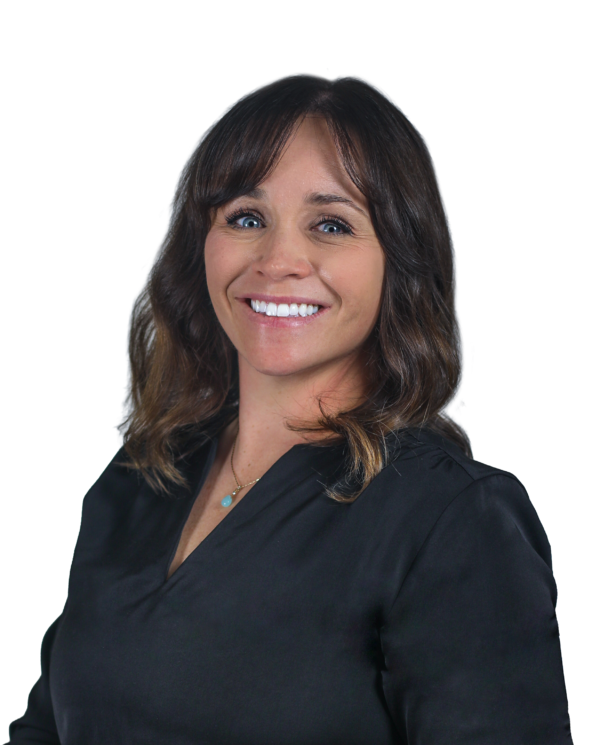
Abby Wilson, DNP, FNP-BC

Abby Wilson, DNP, FNP-BC

Family Nurse Practitioner

Abby Wilson, DNP, FNP-BC combines her expertise as a Nurse Practitioner, Registered Dietitian, and Certified Diabetes Care and Education Specialist to support patients with diabetes and metabolic health concerns through personalized medical care, nutrition guidance, and diabetes education.

View full profile →
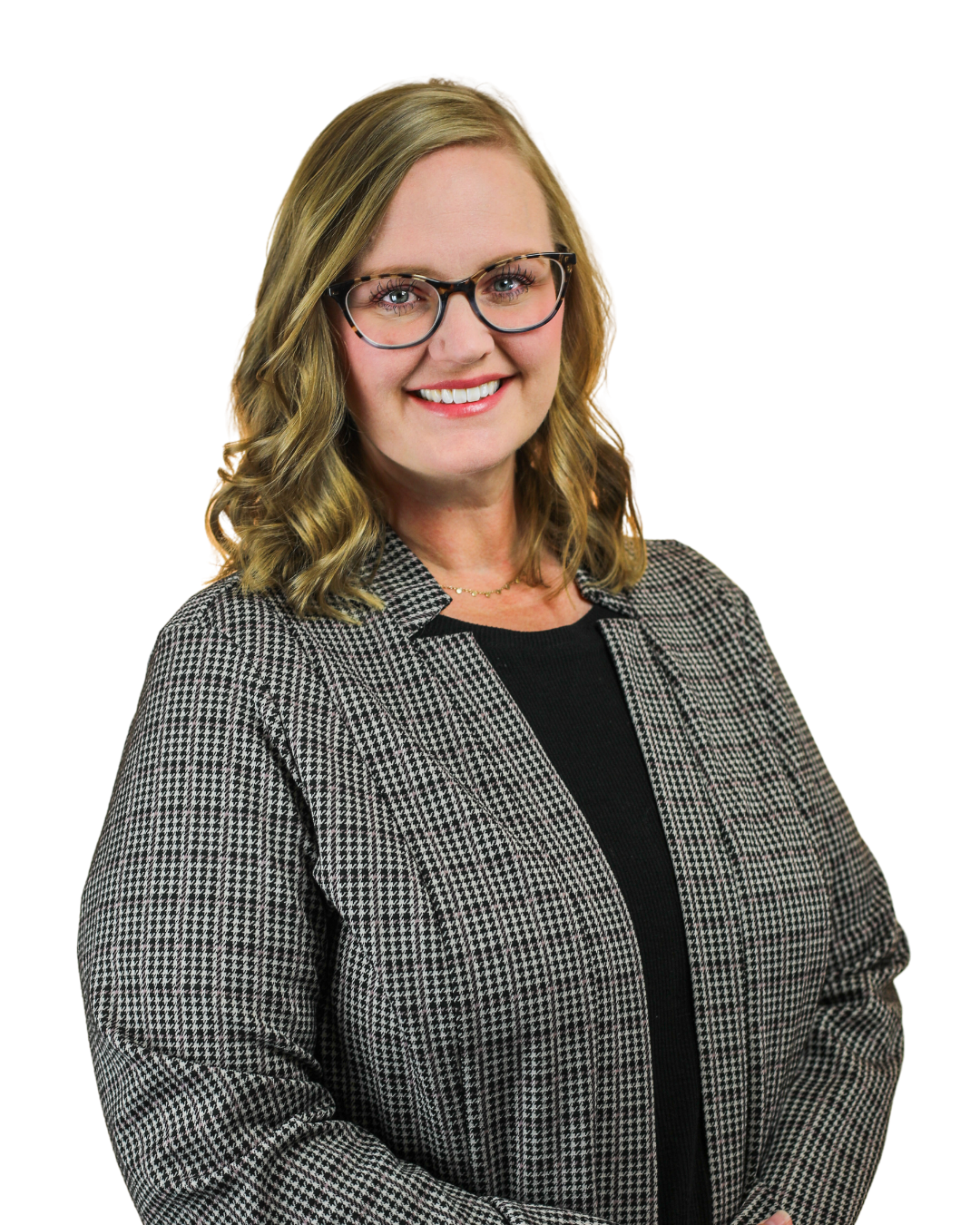
Jenilee Johnson, PharmD

Jenilee Johnson, PharmD

Clinical Pharmacist

Jenilee helps patients understand their medications and how they fit into their diabetes care plan. She works with patients and providers to support safe medication use and build confidence in everyday care.

Woman preparing a meal with vegetables and other fresh ingredients.

Diabetes education

Practical support for living with diabetes.

Diabetes Self-Management Education and Support, or DSMES, teaches everyday skills through individual visits, group classes or both.

Our American Diabetes Association-recognized program includes a registered dietitian and clinical pharmacist who are Certified Diabetes Care and Education Specialists.

Education can help you manage A1C, your average blood sugar over about three months, reduce complication risks and feel more confident. Your progress and needs are individual.

Who can benefitRead more

Helpful information

Who can benefit

People newly diagnosed or living with type 1, type 2 or gestational diabetes can benefit from education and support. Family members and support people are welcome.

If you have prediabetes, contact us about education and support that fit your needs. Program and insurance eligibility may differ.

Schedule Now
What you can learnRead more

Helpful information

What you can learn

  • Eating in ways that fit your preferences and routine, without rigid diets.
  • Staying active in ways you enjoy.
  • Understanding your medications.
  • Checking glucose and understanding continuous glucose monitor (CGM) information.
  • Preventing and managing high and low blood sugar.
  • Coping with stress and the emotional side of diabetes.
  • Planning for sick days, travel and changes in routine.
Schedule Now
When to seek supportRead more

Helpful information

When to seek support

Education can help at diagnosis, each year or when your goals are difficult to reach, when new health concerns arise, and during changes in your life.

Those changes might include pregnancy, aging, a new job, a change in living arrangements or new insurance. You can return for support as your needs change.

Schedule Now
Getting startedRead more

Helpful information

Getting started

Ask your provider for a referral or call our team with questions. Medicare and many insurance plans cover eligible diabetes education services. Coverage, referral requirements and out-of-pocket costs vary.

Our team can help you understand the next steps and questions to ask your insurance plan.

Call (208) 235-5910Schedule Now

When a specialist may help

You don’t have to figure it out alone.

We work with your primary care provider to help connect your care. A specialist visit may be helpful when you need another perspective or more support.

Talk with our team →
  • Blood sugar stays above your individual goals.
  • You need help starting or adjusting insulin.
  • You have frequent low blood sugar.
  • You want guidance with a CGM or insulin pump.
  • Your diabetes type or treatment needs are unclear.
  • You have diabetes and are pregnant or planning pregnancy.
  • Thyroid, pituitary, adrenal or other hormone concerns need further evaluation.
  • You have osteoporosis or low bone density and want help understanding treatment options.
  • You have menopause, perimenopause or low testosterone concerns.

Locations & appointments

Care close to home.

Call our team to arrange a visit or ask about referrals and appointment details.

Helpful questions

A little clarity before your visit.

What does an endocrinologist treat?Read more

Helpful information

What does an endocrinologist treat?

An endocrinologist is a doctor who treats hormone conditions and the glands that make hormones. These include diabetes, thyroid conditions, osteoporosis, calcium and parathyroid disorders, low testosterone, menopause-related concerns and conditions involving the pituitary or adrenal glands.

Schedule Now
What ages do you see?Read more

Helpful information

What ages do you see?

Our team sees patients ages 12 and older. We want every patient to have the support they need to understand their health and participate in their care. Call us to discuss your needs and how our team can help.

Schedule Now
Can I make an appointment without a referral?Read more

Helpful information

Can I make an appointment without a referral?

Yes. You can contact our team directly to request an appointment. Please bring your most recent lab results and any relevant medical records so we can review your care needs with you. Some insurance plans require a provider referral or prior authorization. Call our team with questions about getting started and check your plan’s requirements.

Schedule Now
Can I come for a second opinion or switch my care?Read more

Helpful information

Can I come for a second opinion or switch my care?

Yes. Whether you would like a second opinion or are looking to change your diabetes, endocrine or metabolic care provider, you are welcome to request an appointment directly. Bring your most recent lab results and relevant medical records. Our team can review this information, listen to your concerns and discuss next steps with you. If you need help arranging access to your records, call us before your visit. Insurance referral requirements may still apply.

Schedule Now
Can I receive care if I already have a primary care provider?Read more

Helpful information

Can I receive care if I already have a primary care provider?

Yes. Our team works with your primary care provider. Specialty care adds support for diabetes, hormone and metabolic concerns while your primary care provider continues to help with your overall health.

Schedule Now
What is diabetes education?Read more

Helpful information

What is diabetes education?

Diabetes education teaches practical skills for daily life, such as understanding medicines, food choices, glucose monitoring and changes in routine. Our DSMES program offers individual visits, group classes or both, with support from diabetes care and education specialists.

Schedule Now
Can you help with a CGM or insulin pump?Read more

Helpful information

Can you help with a CGM or insulin pump?

Our team can help you understand continuous glucose monitors (CGMs) and insulin pumps and discuss how they may fit your diabetes care. Device choices depend on your needs and coverage. Bring information about any device you already use.

Schedule Now
Is diabetes education covered by insurance?Read more

Helpful information

Is diabetes education covered by insurance?

Medicare and many insurance plans cover eligible diabetes education services. Coverage, referral requirements and out-of-pocket costs vary. Call our team and check with your insurance plan about your benefits. Prediabetes education may have different eligibility.

Schedule Now
What should I bring to my first appointment?Read more

Helpful information

What should I bring to my first appointment?

Bring your medication and supplement list, insurance information, questions and any relevant records or recent results you have. If you use a glucose meter, CGM or insulin pump, bring your device and available glucose information. Call if you are unsure what is needed.

Schedule Now

Let’s take the next step

Talk with us about your care.

We’re here to listen, answer questions and help you get started.

Subscribe to Emails